Consider the markets that are currently growing. Items like personalized gifts, home decor, or fun educational toys are becoming increasingly popular. You can tap into these trends while putting your unique spin on them. Do a bit of research to see what’s trending on platforms like Etsy or social media. You can also check out local community events to see what catches people’s interest.
Don’t forget to think about the problems you can solve. Maybe you’re a parent who notices there aren’t any good storage solutions for kids’ toys, or you’re into fitness and want to create custom gear. Identifying a need in your community can lead to some innovative product ideas. Once you find your niche, you can start experimenting and refining your designs to meet that specific audience’s needs.
Lastly, make sure you enjoy what you’re doing! The best part about 3D printing is the creativity and fun that comes with it. Don't shy away from trying out different ideas and testing the waters. Your unique perspective is what will set you apart from others in the market. Happy printing!
Getting Started with 3D Printing
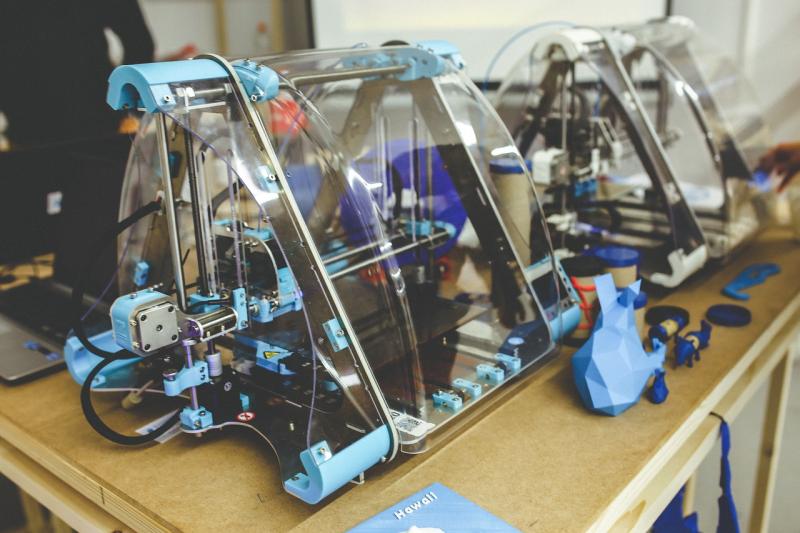
If you’re thinking about diving into the world of 3D printing for your small business, you’re in for an exciting journey! Getting started isn't as complicated as it sounds. First things first, you’ll need to choose the right 3D printer. There are plenty of options out there, so consider what you plan to create. Whether you want to print prototypes, custom items, or even small production runs, there's a printer that fits your needs.
Next up, gather your materials. Filament is essential for most 3D printers; common choices include PLA and ABS. PLA is user-friendly and great for beginners, while ABS is sturdier and better for industrial applications. Don’t forget to stock up on different colors and types if you want your products to stand out!
Once your printer and materials are ready, it’s time to design your first 3D model. You don’t have to be a tech wizard to create awesome designs. There are plenty of free software options available, like Tinkercad or Blender, which let you bring your ideas to life. If designing isn’t your thing, you can find pre-made models online. Just make sure to check the licensing before you print!
Finally, learning the basics of printing is key. Take some time to read your printer's manual and watch tutorials online. Don't be afraid to ask questions in 3D printing forums or communities. Remember, everyone started as a newbie, and the community is usually super helpful!
Marketing Your 3D Printed Products
Don’t forget about the power of online communities. Join forums and groups that focus on 3D printing and small businesses. Engaging in discussions can help you build relationships with other enthusiasts and potential customers. Offer tips, seek advice, and share sneak peeks of your products. This engagement helps build your reputation and can lead to word-of-mouth referrals.
Another effective strategy is setting up an online store or utilizing platforms like Etsy or Shopify. These sites can give you the exposure you need without the hassle of building a website from scratch. Make sure your listings are friendly and informative, highlighting what makes your products special. Use clear images and include details like materials, sizes, and customization options.
Lastly, consider local markets or fairs. Setting up a booth gives you the opportunity to meet customers face-to-face. Seeing your products in person can create instant interest and trust. Plus, it’s a great way to gather feedback directly and find out what buyers love about your work. Make sure to have business cards handy so they can easily find you online later!
Tips for Growing Your Business
Starting a small business with 3D printing opens up a world of opportunities. If you're looking to grow your business, here are some practical tips to help you get started:
By using these tips, you can start turning your passion for 3D printing into a thriving business that stands out. Remember, it's all about connecting with your audience and continuously improving what you offer.