Are you excited to dive into the world of 3D printing? It might seem a bit overwhelming at first, but trust me, once you get the hang of the basics, it’s a lot of fun! Let's break it down so you can start your journey with confidence.
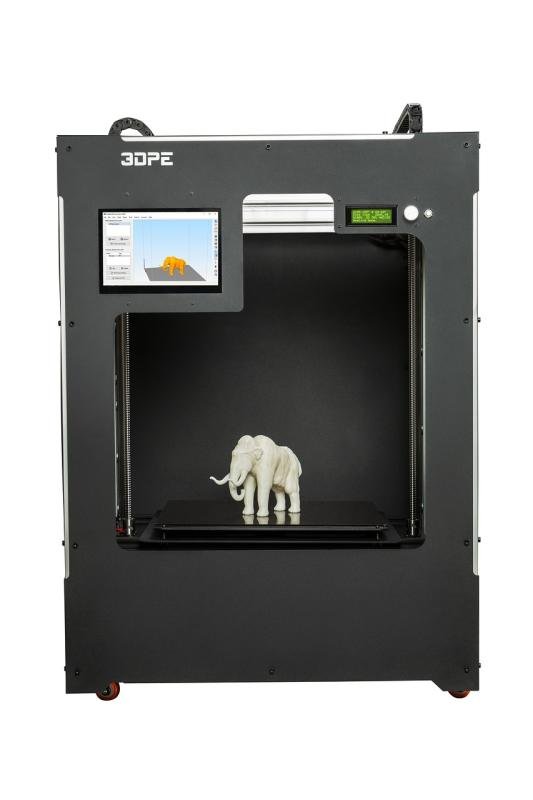
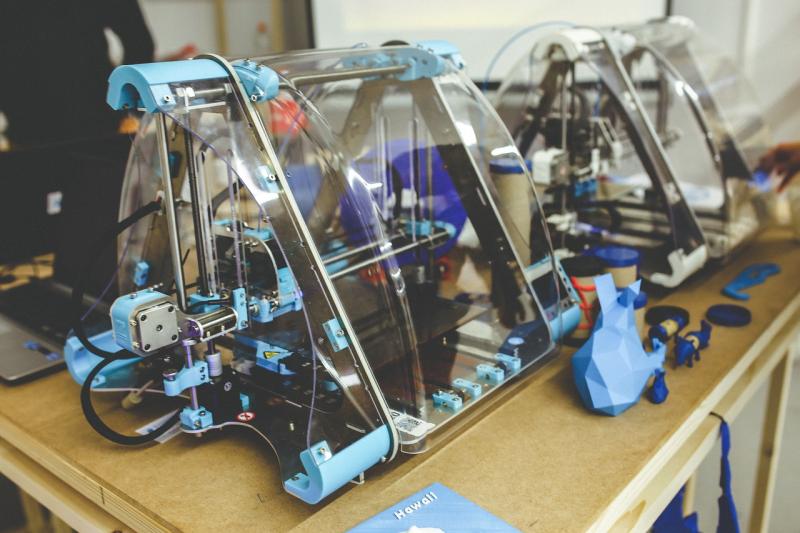
First things first, you’ll need a 3D printer. There are many types out there, ranging from budget-friendly options to high-end models. If you’re just starting out, look for one that’s user-friendly and has a good support community. The Creality Ender 3 and Prusa Mini are great choices to consider, as they offer solid performance and plenty of resources online.
Next up is filament. This is the material you’ll print with, and it comes in various types, including PLA, ABS, and PETG. PLA is super popular for beginners, as it’s easy to work with and prints well at lower temperatures. Remember to check compatibility with your printer before buying, as not all printers can handle every type of filament!
Once you have your printer and filament ready, you’ll need slicing software. This is the tool that prepares your 3D model for printing by cutting it into layers. Programs like Cura or PrusaSlicer are great options and they'll help you adjust settings like print speed and layer height. Don’t worry if you’re not tech-savvy—there are plenty of tutorials out there to walk you through the process.
Finally, don’t hesitate to jump into online communities or forums dedicated to 3D printing. These places are goldmines for tips, tricks, and troubleshooting advice. Plus, you’ll meet fellow enthusiasts who can inspire you and help you out along the way. Happy printing!
Choosing the Right 3D Printer for You
Choosing the right 3D printer can feel a bit overwhelming, especially if you're just stepping into the world of 3D printing. With so many options out there, it’s important to think about what you really need before making a decision. Here are some key factors to consider:
Another big consideration is ease of use. Some printers come fully assembled and ready to go, while others might require some setup. If you’re not very tech-savvy, you might prefer a model that's known for being user-friendly. Look for printers with simple interfaces and plenty of community support or tutorials online.
Finally, think about what you'll be using your printer for. If you're into detailed models or prototypes, you’ll want something that offers high resolution. For more casual use, a reliable printer that gets the job done without fuss might be perfect. Always check reviews to see how others have fared with their purchases – it can give you great insights!
Essential Filaments and Materials Explained
When you're diving into the world of 3D printing, understanding the different filaments and materials can make a world of difference. Think of filaments as the "ink" of your 3D printer; each type has its own qualities, uses, and benefits. Here’s a quick rundown of some essential filaments you might encounter.
PLA (Polylactic Acid)
ABS (Acrylonitrile Butadiene Styrene)
PETG (Polyethylene Terephthalate Glycol)
TPU (Thermoplastic Polyurethane)
Choosing the right filament will depend on what you want to create and your level of experience. Don’t be afraid to experiment a little—each material has its quirks and it's all part of the learning process!
Tips for Successful 3D Printing Projects
Starting your journey with 3D printing can be exciting, but it can also come with its fair share of challenges. Here are some handy tips to help you nail your projects:
These tips can help you get started on the right foot. Remember, practice makes perfect, so don’t be afraid to experiment and learn from each print!