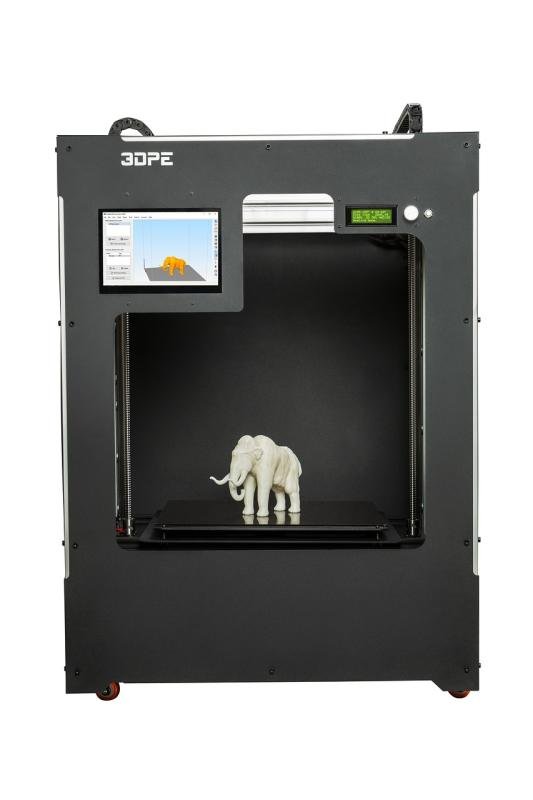
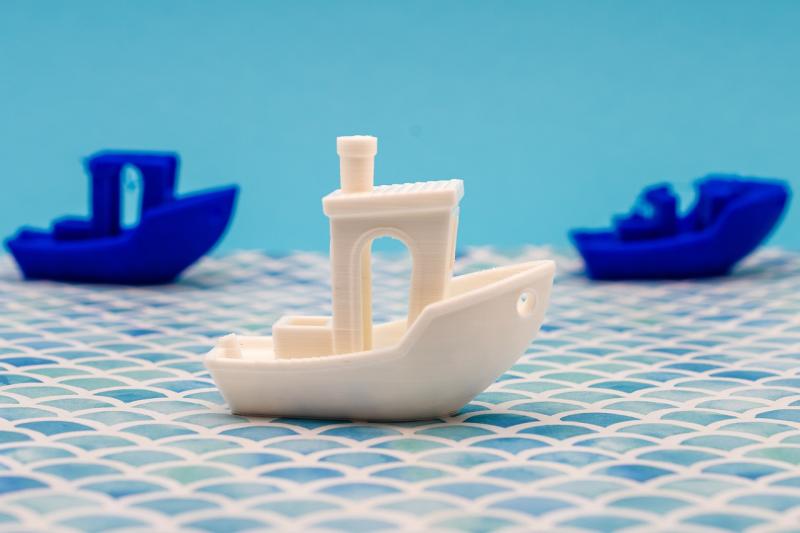
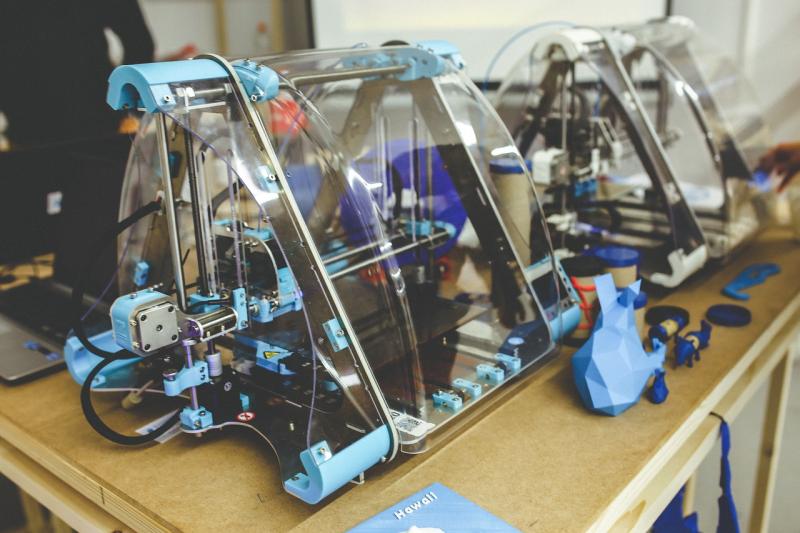
3D printing might sound like magic, but it’s really all about turning digital designs into tangible objects. Imagine creating a toy, a piece of jewelry, or even tools, all from your computer! At its core, 3D printing builds items layer by layer, which is why it's sometimes called additive manufacturing.
So, how does this process work? First, you start with a digital file, usually created with computer-aided design (CAD) software. Once your design is ready, the 3D printer reads the file and lays down material in thin layers, one on top of another. This goes on until the whole item is complete. It’s pretty incredible how technology can bring your ideas to life!
There are several types of 3D printing technologies, but the most common one you’ll see is Fused Deposition Modeling (FDM). This method uses thermoplastic filament, which melts and extrudes as it prints. If you're just starting, FDM printers are usually more affordable and user-friendly.
Another option is Stereolithography (SLA), which uses a laser to harden resin into solid shapes. SLA can produce very detailed prints but tends to be pricier and requires more maintenance. Choose what works best for you based on what you want to create!
Before diving in, think about what you need your printer for. Some are great for beginners, while others cater to advanced users. And don’t forget to consider the materials you want to print with—different printers work with different filaments or resins. Taking your time to understand these basics will help you make an informed choice and get the most out of your 3D printing journey.
Types of 3D Printers Available
When it comes to 3D printers, there's quite a variety out there. Each type has its own perks and is suited for different needs. Let's break down some of the main types you might come across!
Fused Deposition Modeling (FDM) is one of the most popular choices. It's like putting together a Lego set, layer by layer. You load a spool of plastic filament, and the printer melts it to create your design. FDM printers are great for beginners, budget-friendly, and offer decent print quality for a variety of projects, from prototypes to fun designs.
Stereolithography (SLA) printers take a different approach. They use a light source to cure liquid resin into solid objects. This method provides incredible detail and a smooth finish, making it ideal for high-precision items like jewelry or miniatures. Just keep in mind, resin can be more costly and requires careful handling.
Whatever your needs might be, there’s a 3D printer out there that’s right for you. Whether you’re just starting or are looking to dive into professional-grade printing, knowing the different types can help you make the best choice.
Choosing the Right 3D Printer
First up, think about what you want to make. Are you into printing models for fun, or do you need it for more serious projects, like prototyping? Different printers work better for different uses:
Next, you’ll want to consider your budget. 3D printers can range from a few hundred to several thousand dollars. Make sure to factor in the ongoing costs, like materials and maintenance. Sometimes spending a bit more upfront can save you costs down the line.
Don't forget about the printer’s build size! If you plan to print larger objects, you’ll need a printer with a bigger build capacity. On the flip side, a smaller printer might be just what you need if you’re creating smaller pieces or intricate designs.
Finally, think about the community and support available for the printer you choose. Being part of a vibrant community can help you troubleshoot issues, find upgrades, and share cool projects. Look for brands with active forums or customer service that you can count on.
Tips for Successful 3D Printing
Getting started with 3D printing can feel like a big task, but with a few handy tips, you'll be on your way to creating amazing prints in no time. Here’s what to keep in mind as you dive into the world of 3D printing:
Remember, practice makes perfect! Don’t get discouraged if your first prints don’t turn out as planned. Each attempt is a learning experience that brings you closer to mastering the art of 3D printing.